

Intentional Living Emerges as a Response to Rising Workplace Burnout Across Industries


Amid growing concerns over stress and disengagement, intentional living is gaining attention as a lifestyle-based approach.
NY, UNITED STATES, January 29, 2026 /EINPresswire.com/ -- Burnout, prolonged stress, and disengagement have become persistent challenges across industries in the United States, prompting professionals to reassess how they approach work, personal well-being, and long-term fulfillment. In response, intentional living practices are gaining renewed attention as individuals seek more sustainable ways to manage pressure while maintaining clarity and purpose.
According to recent workplace and wellness research, chronic stress is no longer limited to traditionally high-demand sectors. Professionals in healthcare, education, corporate services, and creative industries report similar patterns of fatigue, reduced motivation, and difficulty maintaining balance between professional responsibilities and personal priorities. These trends have led to growing conversations around lifestyle approaches that emphasize alignment, intentional thinking, and conscious decision-making.
Intentional living is broadly defined as a practice of aligning daily actions with personal values, goals, and priorities. Unlike short-term productivity strategies or surface-level wellness trends, the approach focuses on long-term behavioral consistency and self-awareness. Advocates describe it as a framework that encourages individuals to pause, reassess routines, and make deliberate choices that support both professional performance and personal well-being.
Lifestyle researchers note that intentional living does not rely on a single methodology. Instead, it integrates a range of reflective practices such as goal clarity exercises, affirmation-based routines, mindfulness techniques, and environmental cues that reinforce purposeful behavior throughout the day. These tools are often incorporated gradually, allowing individuals to adapt them to their existing responsibilities rather than overhaul their entire lifestyle at once.
The growing interest in intentional living coincides with broader societal shifts around mental well-being, work-life integration, and values-driven leadership. Employers and employees alike are increasingly recognizing that productivity without sustainability can contribute to long-term burnout. As a result, conversations are shifting away from constant output toward approaches that prioritize clarity, focus, and internal alignment.
Alexis Mungin, founder of the lifestyle brand IM ALIGNED, has observed this trend through discussions with professionals seeking alternatives to high-pressure routines. With more than two decades of experience in medical and clinical environments, Alexis has seen firsthand how misalignment between personal values and daily demands can affect overall well-being.
“Many professionals are reassessing what success means to them,” Alexis explained. “There is a growing awareness that long-term fulfillment often depends on alignment rather than constant acceleration.”
Observers note that intentional living is increasingly discussed as a preventative approach rather than a reactive one. Instead of waiting for exhaustion or disengagement to occur, individuals are encouraged to identify early signs of misalignment and make incremental adjustments. These may include setting clearer boundaries, adopting reflective practices, or introducing reminders that reinforce intentional thinking throughout the day.
In professional settings, intentional living principles are sometimes applied through values-based goal setting, purpose-driven career planning, and reflective leadership practices. While these approaches vary widely, the underlying emphasis remains consistent: clarity of intention can influence decision-making, communication, and long-term outcomes.
Wellness experts caution that intentional living should not be viewed as a cure-all for systemic workplace challenges. Structural factors such as workload expectations, organizational culture, and access to resources continue to play a significant role in employee well-being. However, many agree that individual practices rooted in awareness and alignment can complement broader organizational efforts.
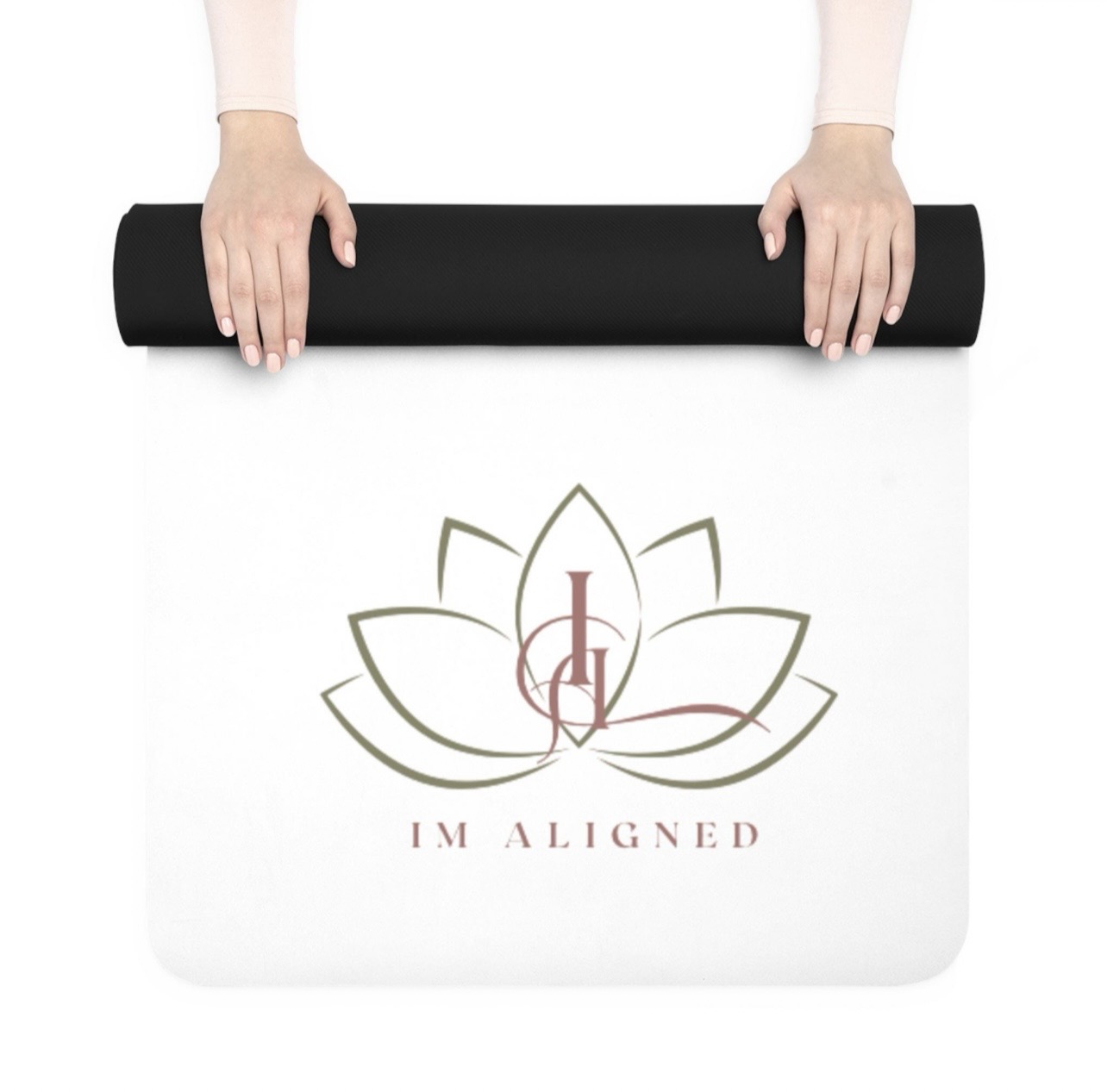
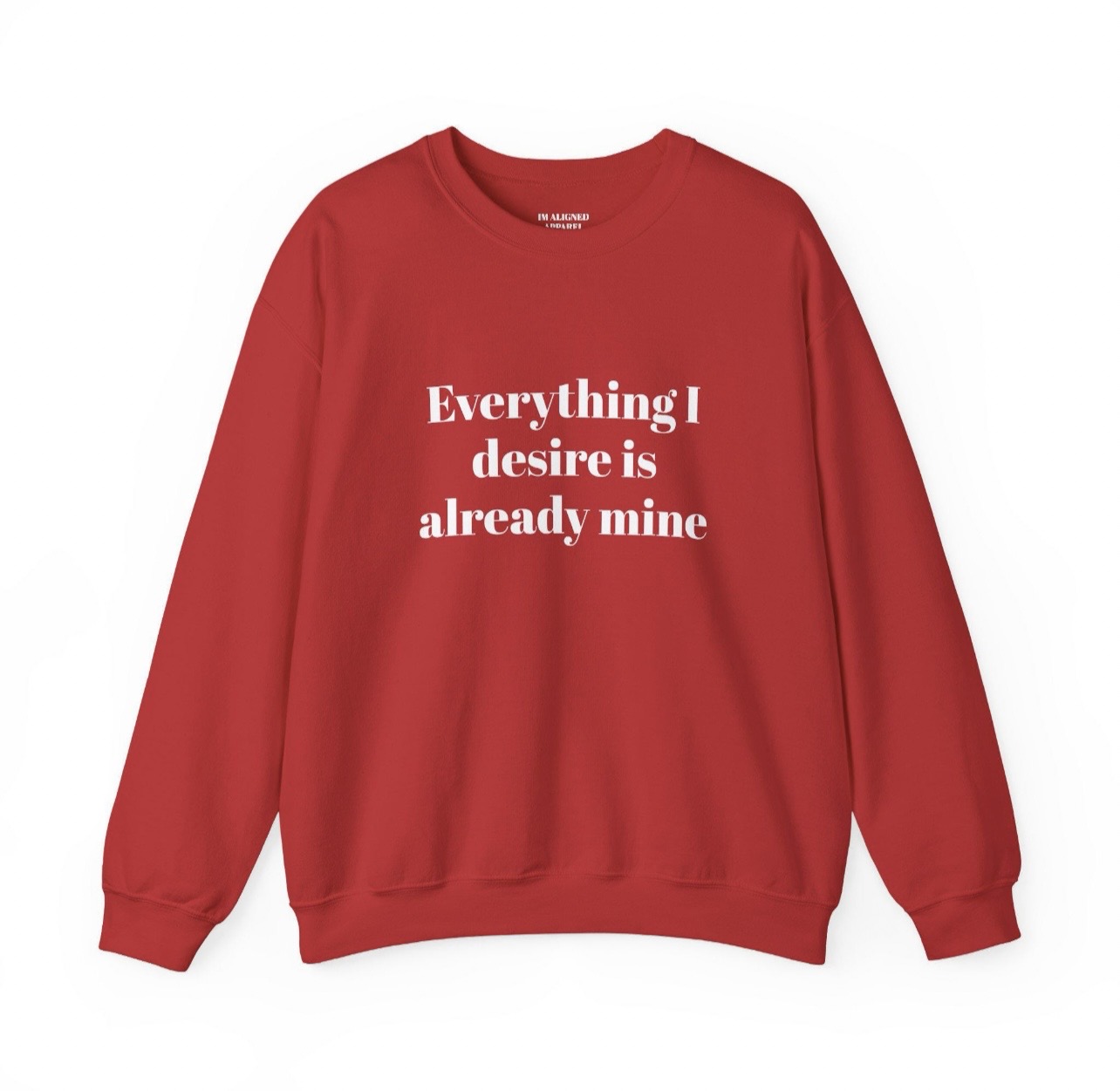
Public interest in intentional living has also expanded beyond professional environments into everyday routines. Discussions around intentional living have also extended to online marketplaces that host alignment-oriented lifestyle collections and affirmation-centered resources. Supporters argue that consistent exposure to intentional messaging can influence how individuals approach challenges, transitions, and long-term goals.
As digital platforms continue to amplify conversations around mental well-being and lifestyle sustainability, intentional living remains a recurring theme. Online communities, workshops, and educational content frequently explore how individuals can integrate alignment-focused habits into daily life without relying on extreme measures or rigid frameworks.
The SALT Method, an acronym for Speak, Align, Let Go, and Trust, is among the intentional living frameworks referenced in public-facing educational materials shared through the IM ALIGNED digital resource hub.
Industry analysts suggest that the continued attention on intentional living reflects a deeper cultural reassessment of success, productivity, and balance. Rather than prioritizing constant output, more professionals are exploring ways to maintain clarity and purpose over extended periods of time.
While approaches and interpretations of intentional living differ, its growing visibility highlights a shared concern: the need for sustainable ways to navigate modern professional life. As discussions around burnout, engagement, and fulfillment continue, intentional living is likely to remain part of the broader conversation surrounding workplace well-being and lifestyle design.
Alexis Mungin
IM ALIGNED
+ 14044389191
email us here
Visit us on social media:
Instagram
Legal Disclaimer:
EIN Presswire provides this news content "as is" without warranty of any kind. We do not accept any responsibility or liability for the accuracy, content, images, videos, licenses, completeness, legality, or reliability of the information contained in this article. If you have any complaints or copyright issues related to this article, kindly contact the author above.
